The Role of Logistics in Global Supply Chain Success

The Role of Logistics in Global Supply Chain Success

In the fast-paced world of global trade, logistics plays a critical role in ensuring that products move efficiently from manufacturers to consumers across continents. Behind every successful international shipment lies a well-structured logistics process that aligns supply and demand, minimizes delays, and adds value at every stage.

As global markets grow increasingly interconnected, companies like Mass Shipping Line are at the heart of helping businesses achieve supply chain excellence. This article explores how logistics serves as the backbone of the global supply chain, the key components involved, and why a reliable logistics partner is essential for long-term success.

🌍 What Is Logistics in the Supply Chain?

Logistics is the part of the supply chain that involves the planning, execution, and management of the movement and storage of goods. From raw material sourcing to delivering finished goods to the end consumer, logistics ensures that everything happens efficiently, cost-effectively, and on time.

It includes:

  • Transportation (air, sea, road)

  • Warehousing and inventory management

  • Customs clearance and documentation

  • Freight forwarding and cargo handling

  • Last-mile delivery

Without a strong logistics network, even the best product can fail to reach its intended market.

🔗 Logistics as the Backbone of the Global Supply Chain

The global supply chain is a vast, interconnected system that relies heavily on logistics to function. Whether a company is importing electronics from China or exporting textiles from Pakistan, logistics ensures the goods move through various borders, regulations, and routes seamlessly.

Here’s how logistics impacts each stage of the supply chain:

1. Procurement and Supplier Coordination

Effective logistics allows businesses to source raw materials or components globally. With real-time tracking and smart inventory systems, companies can coordinate with multiple suppliers without delays.

2. Production and Manufacturing

Timely delivery of materials to manufacturing facilities reduces downtime and maintains production flow. Logistics plays a key role in just-in-time (JIT) manufacturing models where timing is everything.

3. Distribution and Delivery

This is where logistics companies like Mass Shipping Line step in — providing freight forwarding, sea freight, air freight, and road transport services to ensure goods reach distributors, retailers, or end customers globally.

🚚 Key Components of Logistics in a Global Context

To understand how logistics contributes to global supply chain success, let’s break down its core components:

✔ Transportation

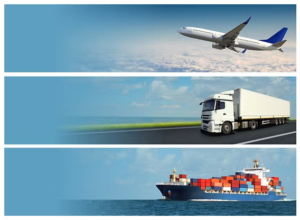
Choosing the right mode of transport (air, sea, or road) is critical depending on cost, cargo type, and delivery timelines.

Mass Shipping Line offers:

  • Sea Freight Services (FCL & LCL)

  • Air Freight for urgent cargo

  • Road Freight for regional deliveries

✔ Warehousing

Efficient warehousing systems allow for proper inventory control, order processing, and storage. Location, temperature control, and automation all impact warehouse performance.

✔ Inventory Management

Balancing supply and demand is key. With proper logistics, companies can avoid overstocking or stockouts.

✔ Customs & Documentation

Each country has its own import/export rules. Logistics providers manage the complex documentation — bills of lading, export licenses, invoices — and ensure customs clearance without delay.

✔ Freight Forwarding

A freight forwarder acts as the middleman between shippers and carriers. They organize the full journey of the cargo and handle all logistics challenges along the way.

Mass Shipping Line provides end-to-end freight forwarding services for global traders.

📈 Benefits of Strong Logistics in Global Trade

Here’s how efficient logistics drives supply chain success on an international level:

✅ 1. Faster Deliveries

Speed matters in competitive markets. Whether it’s a new fashion line or spare machinery parts, reliable logistics ensures prompt delivery.

✅ 2. Reduced Costs

Optimized transportation routes, consolidated shipments, and streamlined warehousing reduce operational costs — leading to better profit margins.

✅ 3. Supply Chain Visibility

Advanced logistics platforms allow businesses to track cargo in real time, predict delays, and make proactive decisions.

✅ 4. Customer Satisfaction

On-time delivery and intact goods build trust and loyalty, especially in B2B markets where performance impacts production timelines.

✅ 5. Business Scalability

With a strong logistics partner, companies can expand into new markets with confidence, knowing their supply chain will support global growth.

📦 Logistics Challenges in Global Supply Chains

While logistics adds immense value, it’s also one of the most complex parts of the global supply chain. Some common challenges include:

  • Port congestion and vessel delays

  • Rising fuel and shipping costs

  • Complex documentation and customs regulations

  • Risk of cargo damage or loss

  • Lack of visibility across multiple carriers

Solution: Working with a logistics expert like Mass Shipping Line helps mitigate these challenges with smart planning, tracking tools, and experienced handling.

💼 Why Partner with Mass Shipping Line?

With years of experience in freight forwarding and logistics in Pakistan and globally, Mass Shipping Line offers:

  • Customized logistics solutions for exporters and importers

  • Dangerous goods handling and special cargo care

  • Full support for export documentation and compliance

  • Global network of carriers and shipping partners

  • Personalized support and cargo tracking

Whether you are a small business shipping locally or a multinational corporation trading globally, we streamline your supply chain through smart logistics.

📊 The Future of Global Logistics

The logistics industry is evolving rapidly with:

  • Automation & AI-powered tracking

  • Blockchain for secure transactions

  • Green logistics for sustainable supply chains

  • Data analytics for demand forecasting

Businesses that invest in logistics infrastructure and partner with future-ready providers will lead the global trade space in the years ahead.


📝 Final Thoughts

In today’s interconnected world, logistics is not just a support function — it’s a strategic enabler of global supply chain success. From reducing costs to improving delivery performance and customer satisfaction, the value it brings is undeniable.

If you’re looking for a reliable, experienced logistics partner for your global operations — Mass Shipping Line is here to help you navigate every challenge, every mile, and every market.
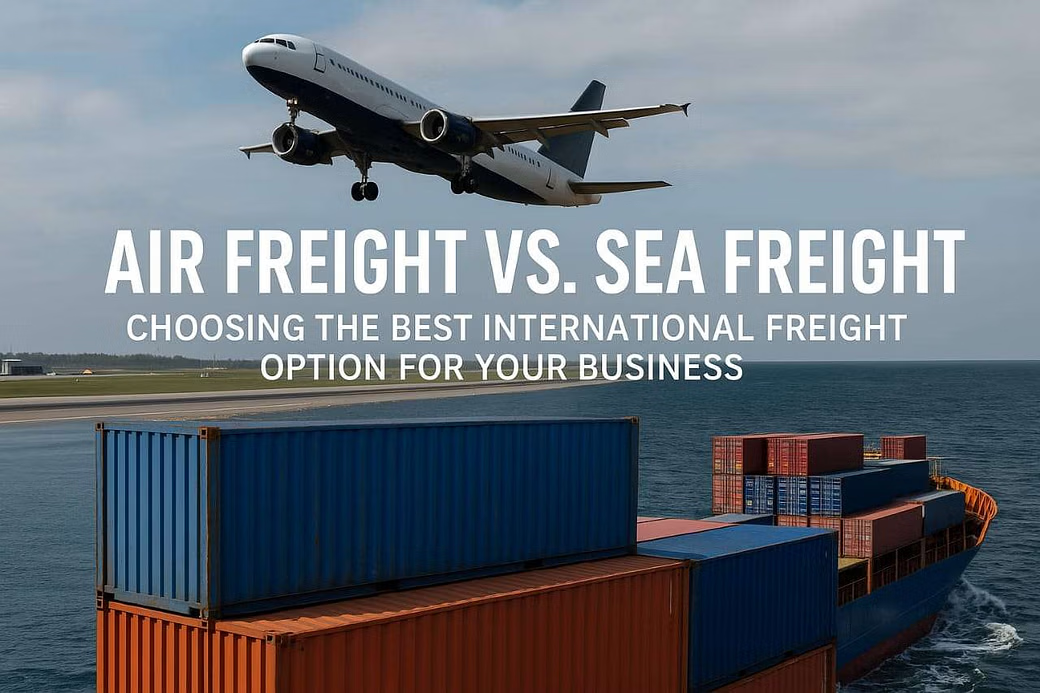
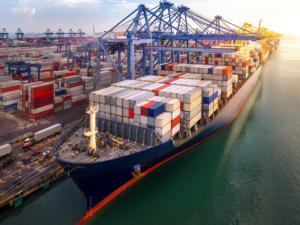
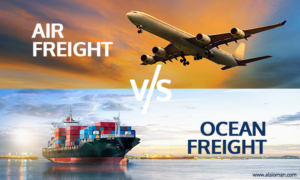
Air vs Sea Freight – Which Option Is Best for Your International Shipments?

When it comes to International Shipping, businesses are often faced with one major decision — should they ship their goods via air freight or sea freight? While both have their advantages, choosing the right method depends on several factors including cost, delivery speed, cargo size, and more.

In this article, we break down the key differences between air and sea freight to help you choose the most effective solution for your business needs.

🚢 What Is Sea Freight?

Sea Freight

Sea freight (also called ocean freight) involves transporting goods via cargo ships across international waters. It’s the most common method of moving large shipments around the world.

Mass Shipping Line offers both Full Container Load (FCL) and Less than Container Load (LCL) services for global exporters and importers.

Ideal for:

  • Large volumes of cargo

  • Non-urgent deliveries

  • Heavy or bulky items (machinery, vehicles, furniture)

✈️ What Is Air Freight?

Air Freight

Air freight refers to the shipping of goods through aircraft. It’s a much faster alternative, typically used for time-sensitive or valuable items.

Mass Shipping Line provides air freight services in Pakistan and globally, ensuring quick and safe delivery to any part of the world.

Ideal for:

  • Time-sensitive shipments

  • Lightweight and high-value goods

  • Electronics, documents, perishables


⚖️ Air vs Sea Freight – A Side-by-Side Comparison

Feature Air Freight Sea Freight
Speed 1–7 days 15–45 days
Cost High (charged by weight/volume) Low (charged by container size)
Reliability Very reliable May face port delays/weather
Cargo Capacity Limited High – Ideal for bulk goods
Environmental Impact Higher emissions More eco-friendly
Best for Urgent or high-value items Large, heavy, non-urgent goods

💰 Cost Comparison – Air Freight vs Sea Freight

Let’s talk money. Air freight is typically 3 to 6 times more expensive than sea freight. Why?

  • Airlines charge by weight or volume (whichever is higher)

  • Sea freight is billed by container (20ft or 40ft)

Example:
If you’re shipping 100kg of lightweight electronics urgently from Pakistan to Dubai, air freight makes sense. But if you’re exporting 10 tons of textiles, sea freight is far more cost-effective.

🌍 Distance & Delivery Time

  • Air freight is unbeatable when delivery speed is critical. Most international deliveries complete within 3–5 days.

  • Sea freight may take 15–45 days, depending on the origin and destination ports.

At Mass Shipping Line, we help clients plan their shipments with accurate timelines and shipping schedules.

📦 Cargo Size & Type

  • Air freight has weight and size restrictions based on aircraft type.

  • Sea freight can handle oversized and heavy equipment without much hassle.

Pro tip: If your cargo exceeds air limitations, shipping by sea may be your only viable option.

📄 Customs & Documentation

Both shipping methods require proper documentation, including:

  • Commercial Invoice

  • Bill of Lading (for sea)

  • Air Waybill (for air)

  • Packing List

  • Export Licenses

Mass Shipping Line provides export documentation and customs clearance services in Pakistan to make this process seamless.

🛡️ Security & Risk

  • Air freight is generally more secure, with lower risk of theft or damage.

  • Sea freight is safe but may face longer exposure, port delays, or container damage.

Mass Shipping Line ensures proper packaging, insurance advice, and shipment tracking to keep your cargo protected either way.

🌱 Environmental Impact

If you’re a sustainability-conscious business:

  • Sea freight is more environmentally friendly (lower carbon footprint)

  • Air freight emits significantly more CO₂ per kg

Opting for sea freight for non-urgent shipments is a smart move toward greener logistics.

✅ When to Choose Air Freight:

  • You have urgent delivery deadlines

  • The shipment is lightweight or high-value

  • Your buyer expects fast shipping (e.g., e-commerce, medical)

✅ When to Choose Sea Freight:

  • You are shipping large or bulk quantities

  • Cost-saving is a priority

  • Delivery time is not urgent

🌐 Global Freight Services by Mass Shipping Line

Whether you choose air or sea freight, Mass Shipping Line is your trusted partner for international logistics. We offer:

  • Air freight services in Pakistan with fast transit times

  • Sea freight services (FCL & LCL) across major trade routes

  • Customs clearance and export documentation support

  • Dangerous goods handling for compliant shipping

  • Warehousing and logistics solutions

👉 Explore our services: https://mass-shipping.com/service

📢 Final Thoughts

There is no “one-size-fits-all” in shipping. The choice between air and sea freight depends on your cargo size, budget, and urgency.

  • Need speed? Go with air freight.

  • Want to save cost? Choose sea freight.

Still unsure? Let Mass Shipping Line guide you with a personalized freight solution.

📞 Ready to Ship Globally?

Get in touch with our logistics experts today for a custom quote!
🌍 Visit: https://mass-shipping.com
📧 Email: commercial@mass-shipping.com
📦 From Pakistan to the world — we ship it right!

What Does a Freight Forwarding Company Actually Do?

What Does a Freight Forwarding Company Actually Do?

When it comes to global trade, most people picture massive ships, airplanes loaded with cargo, and trucks moving goods across borders. But what many don’t realize is that behind the scenes, there’s a powerful force orchestrating this movement: freight forwarding companies.

So what do they actually do? Let’s break it down — no jargon, just the real story.

The Middleman That Makes Trade Work

A freight forwarder is like your travel agent—but for cargo. If you’re sending goods from Pakistan to the USA, or importing materials from China to Karachi, you don’t need to deal with airlines, shipping lines, customs officers, or paperwork on your own.

A freight forwarder handles all of that for you.
They plan the best route, choose the right mode of transport (air, sea, or land), manage all the documentation, and ensure your shipment reaches its destination — safely, legally, and on time.

📦 What Services Do Freight Forwarders Offer?

Here’s what a reliable freight forwarding company typically does:

1. Shipping Arrangements

They book cargo space with shipping lines, airlines, or trucking companies based on your needs — whether it’s a full container load (FCL) or less than container load (LCL).

2. Customs Clearance

They prepare and submit the necessary documents to ensure your goods are cleared at customs without delays or penalties.

3. Cargo Insurance

Worried about damage or loss? Freight forwarders help you get proper cargo insurance for peace of mind during transit.

4. Warehousing & Storage

Need to store your goods before or after shipping? Many forwarders offer short-term and long-term warehousing services.

5. Documentation

From bills of lading to certificates of origin and commercial invoices — they take care of the complicated paperwork so you don’t have to.

6. Tracking & Updates

Modern freight forwarders provide real-time updates so you always know where your shipment is.

🚛 Who Needs a Freight Forwarder?

Whether you’re a small business exporting handmade products or a large company importing machinery, freight forwarding services can save you time, reduce costs, and eliminate stress.

Even eCommerce businesses that deal with international customers often rely on freight forwarders to handle their logistics.

🧠 Why Not Do It Yourself?

Good question. Technically, you can arrange international shipping yourself—but it’s a maze of documents, regulations, taxes, carriers, and risks. A freight forwarding company brings:

  • Expertise

  • Time savings

  • Risk management

  • Cost efficiency through carrier partnerships

They know what can go wrong — and how to fix it before it becomes a problem.

✈️ Sea, Air, or Land — They Cover It All

Freight forwarders aren’t limited to one method of transport. Depending on your needs, they can move goods:

  • By Sea – Ideal for large or heavy cargo over long distances

  • By Air – Best for quick deliveries or valuable items

  • By Land – Perfect for domestic or cross-border regional transport

And often, they combine these in what’s known as multimodal transport — offering you speed, savings, and reliability.

Final Thoughts

Freight forwarding companies are the invisible backbone of international trade. They handle the complex work so you can focus on growing your business. From planning and booking to customs and delivery, they’re your logistics partner every step of the way.

So next time you think about how your phone case made it from a factory in China to your doorstep in Lahore — remember, there was likely a freight forwarder behind the scenes making it all happen.

How to Choose the Best Freight Forwarder in Pakistan

How to Choose the Right Freight Forwarding Company in Pakistan

Choosing the right freight forwarding company in Pakistan is a critical decision that directly affects your business’s supply chain efficiency and international trade success. Whether you’re an exporter, importer, or eCommerce business owner, the logistics partner you select plays a vital role in ensuring timely delivery, reduced costs, and smooth customs clearance.

In this guide, we’ll walk you through the important factors to consider while selecting a freight forwarder and why Mass Shipping could be the right partner for you.

What is a Freight Forwarding Company?

A freight forwarder acts as an intermediary between you and the transportation services (like sea, air, or land freight). They handle the entire process of shipping goods from origin to destination, including:

  • Booking cargo space

  • Arranging pickup and delivery

  • Customs clearance

  • Documentation (Bills of Lading, Invoices, Certificates of Origin)

  • Insurance and warehousing

👉 Learn more about Freight Forwarding

Key Factors to Consider When Choosing a Freight Forwarder in Pakistan

1. Experience & Industry Expertise

Look for a company with local expertise in Pakistan’s trade routes, customs, and regulatory processes. An experienced forwarder understands the regional challenges like port congestion, customs delays, and documentation.

Example: Mass Shipping has years of experience in handling cargo in and out of Karachi Port and Port Qasim, which makes them a reliable choice.

2. Global Network

A strong international network ensures smooth handling of goods at both origin and destination. Your freight forwarder should have partnerships with carriers, agents, and customs brokers worldwide.

🛫 Related Guide: 👉 Sea Freight vs Air Freight – Which Is Better?

3. Customs Clearance Support

A delay in customs can cause major losses. Make sure your logistics partner provides in-house customs clearance or works closely with licensed brokers.

📝 Pro Tip: Always ask if the company is familiar with Pakistan Customs Tariff (PCT) codes and local import/export duties.

4. Transparent Pricing

Hidden charges are a red flag. Ensure they provide a detailed quotation that includes all costs — documentation, port charges, warehousing, delivery, etc.

💡 Tip: Avoid companies that offer “too good to be true” rates without proper service breakdown.

5. Real-Time Tracking & Technology

Choose a company that offers digital freight management tools, including:

  • Online shipment tracking

  • Automated alerts

  • Electronic documentation

It helps you stay in control and improves accountability.

7. Value-Added Services

Does the freight forwarder offer warehousing, packaging, or insurance? These services add convenience and safety to your supply chain.

Why Choose Mass Shipping?

  • Based in Karachi with a global reach

  • Reliable partnerships with carriers and agents worldwide

  • Licensed customs clearing services

  • Transparent quotations

  • Tech-enabled shipment tracking

  • Special handling for perishable and sensitive cargo

  • Door-to-door solutions

📍 Visit: www.mass-shipping.com

❓FAQs – Freight Forwarding in Pakistan

Q1: Is freight forwarding different from logistics?

A: Freight forwarding is a part of logistics, focusing specifically on shipping goods across borders and managing transport documentation.


Q2: How much does a freight forwarder charge in Pakistan?

A: Charges depend on cargo size, weight, origin, destination, and service type (air/sea). Get a free quote at Mass Shipping.


Q3: Can I track my shipment in real-time?

A: Yes, reliable freight forwarders like Mass Shipping offer digital tracking portals for transparency.


Q4: Do I need to provide my own documentation?

A: Your freight forwarder will assist in preparing all necessary documentation such as the Bill of Lading, Commercial Invoice, and Packing List.

📞 Need Expert Freight Forwarding in Pakistan?

Let Mass Shipping take care of your logistics. Whether it’s door-to-door shipping, customs clearance, or container booking, we’ve got you covered.
🌐 Visit: www.mass-shipping.com

Final Words
Choosing the right freight forwarder in Pakistan isn’t just about price—it’s about reliability, network strength, and local expertise. Let this guide help you build a smooth and efficient supply chain.